
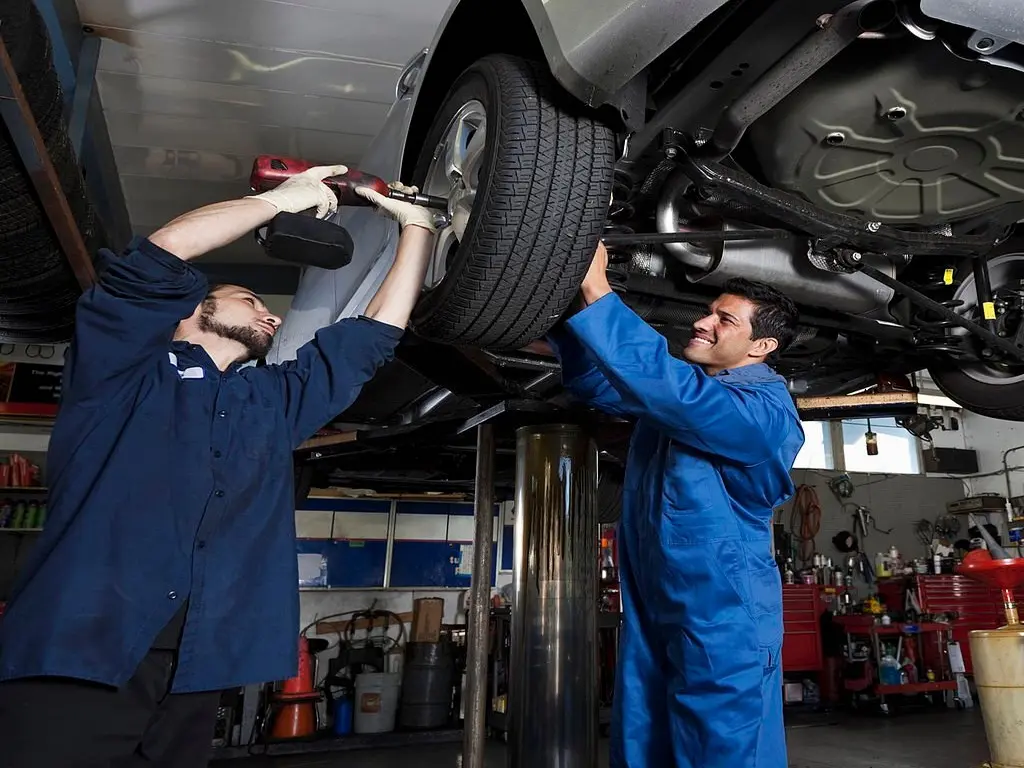
A vehicle that stops working during the day costs a business more than the repair. Late deliveries, idle drivers and rescheduled jobs all add up. Fleet maintenance Nashville TN operators plan for is built on one idea: find problems on your schedule, not the road’s. This page covers what commercial vehicles typically need and how to organize service so downtime stays predictable.
The shop works on cars, vans, light trucks and similar work vehicles. If you run a few vehicles or a larger group, the approach is the same: a clear record per vehicle and a regular look at the parts that wear.
Signs Your Fleet Needs a Better Maintenance Plan
- Breakdowns happen on the road more often than in the shop
- Nobody can say when each vehicle last had brakes or fluids checked
- Tires wear out unevenly or at different rates across the fleet
- Drivers report the same problems repeatedly
- Repairs are bunched together after a failure instead of spread out
- Inspection or compliance paperwork is scattered
How Fleet Service Is Organized
- Build a vehicle list. Each unit is recorded with year, model, mileage, use and any known issues, so priorities are clear.
- Set a preventive schedule. Oil, filters, fluids, belts, brakes, tires and batteries are placed on intervals that fit how each vehicle works.
- Plan visits around downtime. We discuss which vehicles can come in when, so you are not losing the whole fleet at once.
- Document findings and work. What was checked, replaced and recommended is written down per vehicle, so history is easy to follow.
What Commercial Vehicles Typically Need
- Brakes and tires: stop-and-go delivery routes and heavy loads wear both faster than commuting
- Fluids and filters: oil, transmission and coolant condition shifts with idling and load
- Battery and charging: frequent starts and stops, plus added equipment, drain systems
- Cooling and A/C: long idling and summer heat make both important
- Suspension and steering: loaded vehicles wear bushings, shocks and joints sooner
- Diagnostics: warning lights are read early so small faults do not take a vehicle out of service
Fleets working in Nashville run a mix of interstate stretches on I-24, I-40 and I-65 and slow surface routes through busy corridors like Lebanon Pike. Both take a toll: highway speed wears tires and uses fuel, and stop-and-go delivery routes wear brakes and transmissions. Davidson County summer heat also puts stress on cooling systems and batteries, so scheduling those checks before June makes sense.
Frequently Asked Questions
How often should work vehicles be serviced?
Start with the manufacturer's schedule, then shorten intervals for heavy loads, idling and stop-and-go use. We can help set a schedule per vehicle.
How do we avoid losing a vehicle for several days?
Plan inspections ahead, stagger vehicles, and flag parts that need ordering during the inspection so the repair visit is shorter.
What records should a fleet keep?
Date, mileage, work done, parts replaced and recommended follow-ups for each vehicle. This helps you spot repeat failures and plan budgets.
Can you handle mixed vehicle types?
We work on a range of cars, vans and light trucks. Contact us with the makes and models so we can confirm what we can take on.
Where should we begin?
Start with a baseline inspection of each vehicle. Our preventive maintenance page lists what that includes.
Schedule Mechanical Service
Tell us what your vehicle is doing and pick a time that works for you.