A failed emissions test tells you something is out of range, not what. Emission repair Nashville vehicle owners need begins by working out which part of the system is responsible: the oxygen sensors, catalytic converter, EVAP system, EGR valve or the fuel and ignition side that feeds them. Replacing a catalytic converter first is a common and costly mistake when the real cause is upstream.
Requirements change, so check current local testing requirements with the relevant authority before you plan around any deadline.
Signs of an Emissions System Problem
- A check engine light with emissions-related codes
- A failed readiness or tailpipe test
- A rotten-egg smell from the exhaust
- Fuel smell, or an EVAP code after refueling
- Reduced power or poor fuel economy
- Rough running that points to a rich or lean mixture
How Emission Problems Are Diagnosed
- Read codes and readiness status. Stored faults and monitor readiness show which systems have or have not completed their self-tests.
- Check the inputs. Fuel trims, sensor readings and ignition performance reveal whether the engine is feeding the catalytic converter properly.
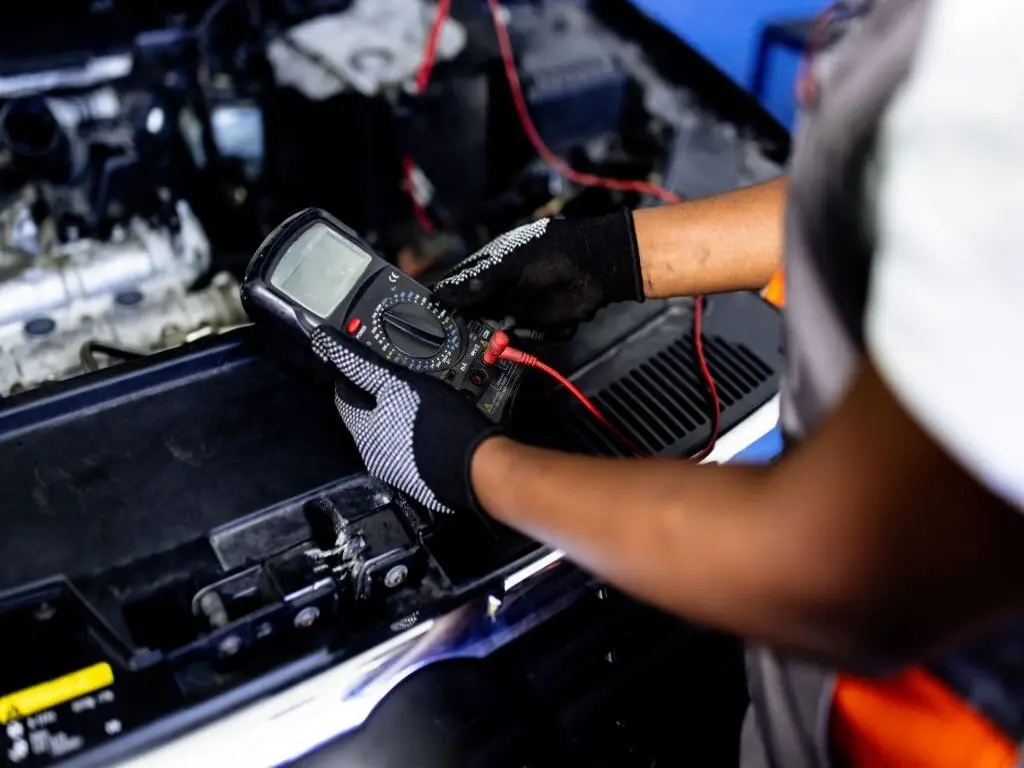
- Test the suspect components. Oxygen sensors, the EVAP system, the EGR valve and the converter are tested individually.
- Repair and run the monitors. After the fix, the vehicle is driven through the cycles needed for readiness before you retest.
What This Approach Gives You
- The root cause is repaired first, so a new converter is not wasted
- We explain the difference between a pass-ready and not-ready status
- Readiness monitors are confirmed before you return for any retest
- You are encouraged to verify current requirements for your vehicle and county
Vehicles around the Nashville area spend a lot of time in idle and low-speed traffic, which is hard on catalytic converters and oxygen sensors over time. A misfire left alone on a commute across I-40 can overheat the converter, so deal with rough running before it turns into an emissions repair.
Frequently Asked Questions
Do I need emissions testing for my vehicle?
Requirements depend on the county, vehicle age and registration, and they change. Check with the state or county authority for what applies to you now.
Why did I fail with no warning light?
A tailpipe reading can be out of range before a fault code sets. Diagnostics still looks at live data to find the cause.
Is the catalytic converter always the problem?
No. A bad sensor, vacuum leak or misfire can cause the same results and often damages the converter if left alone.
Can a cleared code pass the retest?
Usually not, since monitors need to run again. Our check engine light diagnostics explain why.
Schedule Mechanical Service
Tell us what your vehicle is doing and pick a time that works for you.